
Why Jacksonville Small Businesses Are Switching to Hyperlocal Advertising
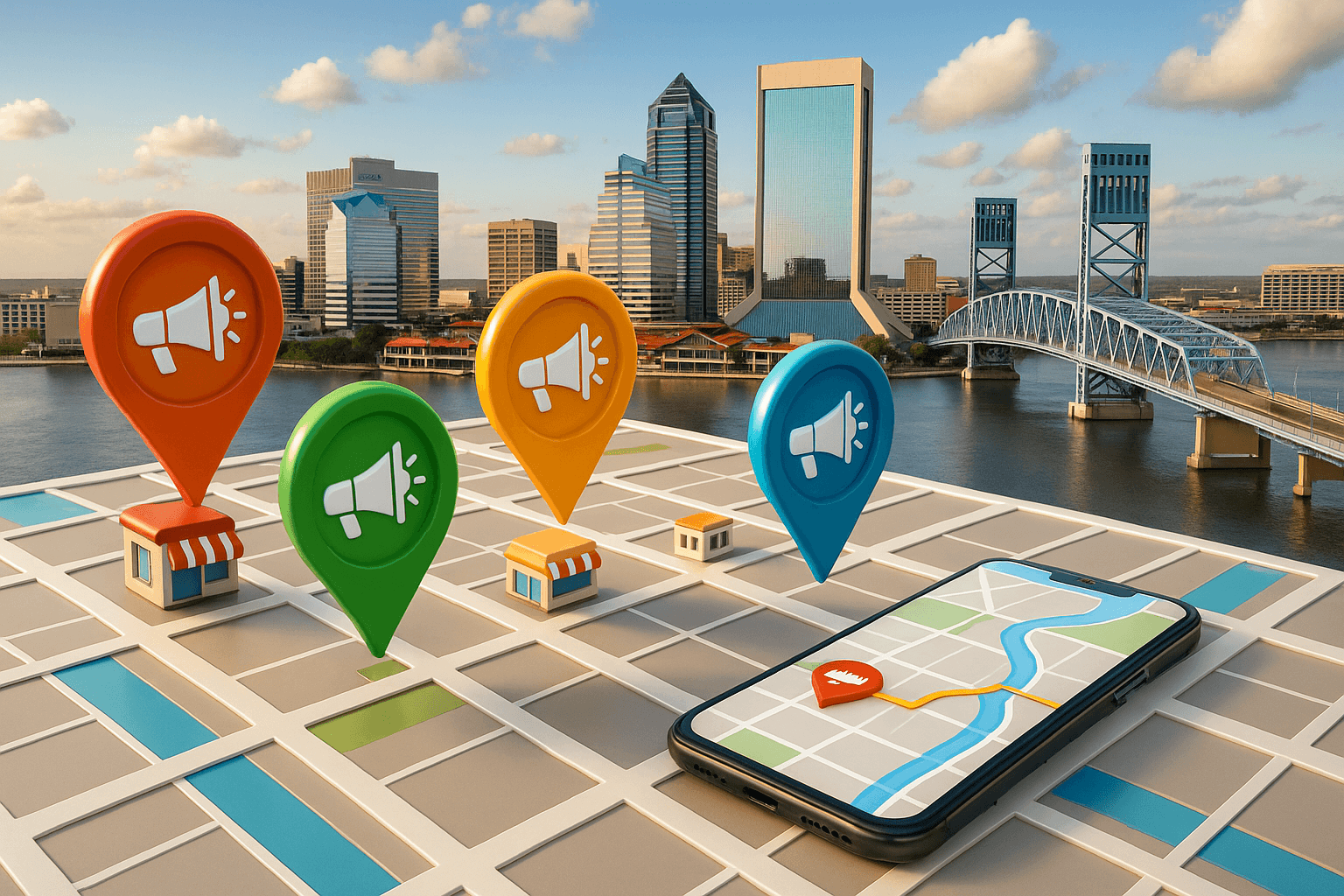
Jacksonville's small business owners are increasingly shifting from expensive digital advertising to hyperlocal strategies that deliver tangible results. From Riverside boutiques to Southside auto shops, local businesses are experiencing significant improvements in foot traffic and customer acquisition costs. With over 45,000 vehicles passing along Beach Boulevard daily, the potential for reaching local customers is immense.
What Hyperlocal Advertising Actually Means
Hyperlocal advertising targets customers within specific geographic boundaries, often measured in blocks rather than zip codes. For example, a Five Points restaurant advertises to people within walking distance during lunch hours, not everyone in Duval County. According to BIA Advisory Services, hyperlocal advertising delivers 3x higher engagement rates than broader geographic targeting because it reaches people who can actually visit your business. WilDiMaps is at the forefront of this movement, using precise GPS technology to ensure your ads are seen by people in your immediate vicinity.
Why Jacksonville Businesses Are Making the Switch
Traditional Digital Ads Waste Money
Restaurant industry data shows that 45% of diners decide where to eat less than an hour before the meal. Reaching them in that critical window changes everything. The hyperlocal approach ensures that ads reach potential customers at the exact moment they are making purchasing decisions.
Jacksonville Neighborhoods Require Different Approaches
Mandarin customers behave differently than Arlington shoppers. Advertising to a generic "Jacksonville" audience ignores these crucial distinctions. Businesses on Butler Blvd near Town Center operate in different economic realities than shops in San Marco. Successful hyperlocal campaigns respect neighborhood characteristics instead of treating the entire city as homogeneous. WilDiMaps allows businesses to tailor their ads to these unique neighborhood dynamics, maximizing local engagement.
How WilDiMaps Delivers Real Results
WilDiMaps uses location-based mobile advertising to reach drivers exactly where your customers travel. For instance, a Riverside gym implemented Neighborhood Reach targeting within two miles of their location plus competitor areas. The result was a 40% increase in trial memberships within just 30 days.
The WilDiMaps process is straightforward: (a) Build Your Campaign using the geo-ad builder to target specific areas, (b) Drivers See Your Banner in the WilDi navigation app while traveling through your zones, (c) Ads are Saved to Inbox for later review when convenient, (d) Payment is Confirmed When Parked and advertisers pay only for verified deliveries to real users.
Cost Comparison That Makes Sense
Traditional billboards cost $3,000-$8,000 monthly for broad exposure with no targeting. Facebook ads average $1.72 per click with no guarantee of local relevance. WilDiMaps offers a monthly flat-rate subscription and charges per verified delivery to drivers actually in your target area, with costs ranging from $0.20 to $0.50 per delivery. This model is typically 60-70% less than comparable digital advertising with guaranteed local reach, and there are no impression costs or hidden fees.
Statista reports that 82% of smartphone users check their phones for local business information while in stores. WilDiMaps captures this behavior by delivering your message when people are already mobile and making location-based decisions. With major roads like I-95 seeing over 80,000 vehicles daily, the opportunity for engagement is considerable.
Ready to Stop Wasting Ad Spend?
Jacksonville businesses choosing hyperlocal strategies consistently outperform competitors stuck with outdated broad-target advertising. The difference lies in reaching people who can actually become customers, not just generating meaningless impressions from irrelevant locations.
As a veteran-owned, Jacksonville-based company, WilDiMaps understands Northeast Florida's commercial landscape. We built this platform for local businesses because we are local business owners. Our commitment is to help you use hyperlocal advertising to connect with the right audience at the right time.
Talk to a Campaign Specialist to discover how hyperlocal mobile advertising can transform your customer acquisition costs while increasing genuine foot traffic from your immediate market area.