
Impulse Visit Marketing: The Proven Framework Jacksonville Coffee Shops Use to Fill Tables Fast
Impulse Visit Marketing: The Proven Framework Jacksonville Coffee Shops Use to Fill Tables Fast
Why Traditional Coffee Shop Marketing Misses the Mark
Coffee shop visits happen spontaneously. According to BIA Advisory Services, 73% of coffee purchases are unplanned decisions made within a five-minute window. Yet most marketing reaches customers at the wrong time or place.
A billboard on I-95 displays your message when drivers speed past at 65 mph. Radio ads broadcast countywide to listeners who might be in Mandarin while your shop sits empty in Five Points. Facebook ads accumulate impressions but deliver no guarantee that viewers are actually near your location.
NRF research shows 73% of retail purchases are still made in physical stores, making local visibility critical even in the e-commerce era.
The solution requires both geographic precision and perfect timing.
How WilDiMaps Delivers Corridor-Based Precision
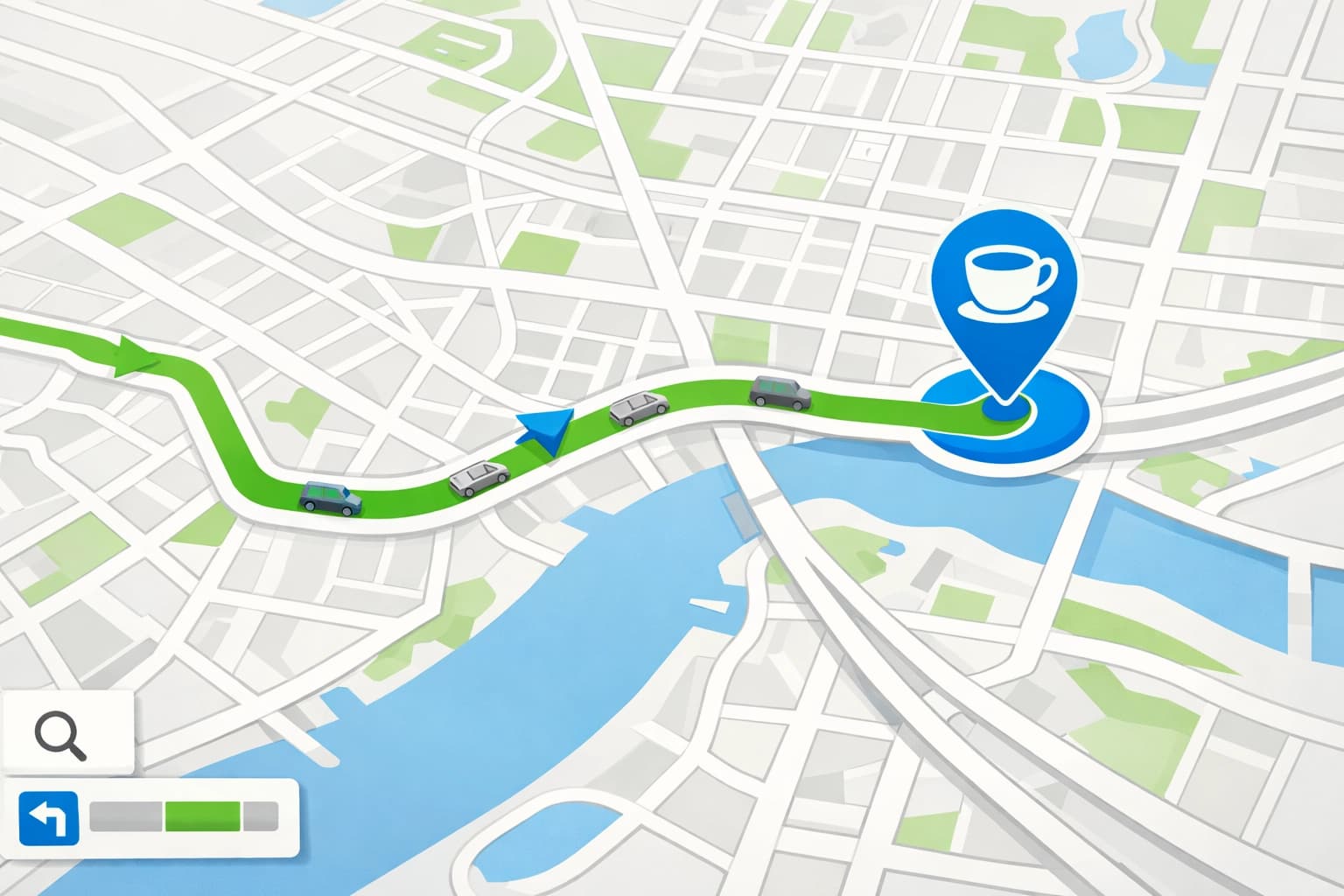
Location-based advertising solves the timing problem by targeting drivers already in motion toward your area. WilDiMaps' Roadside Reach technology creates invisible corridors around high-traffic routes like Beach Boulevard, Atlantic Boulevard, and Butler Boulevard. With over 45,000 vehicles passing along Beach Boulevard daily, your message reaches a vast audience at the right moment.
When drivers enter your target zone, they receive geo-targeted banner ads within the WilDi navigation app. The key difference: these aren't interruptions. Messages are saved to the driver's inbox and only accessed when the vehicle stops at red lights, parking lots, or destinations.
This creates perfect alignment between your offer and customer opportunity.
The Four-Step WilDiMaps Process
WilDiMaps eliminates guesswork with a verified delivery system:
Build Your Campaign: Use the geo-ad builder to target specific corridors. Set your radius around Riverside, San Marco, or Southside locations with precision down to individual street segments.
Drivers See Your Banner: Mobile users navigating through your target area receive your banner ad within the WilDi app interface, integrated naturally with their route guidance.
Saved to Inbox: Messages queue automatically for later review. No dangerous in-transit distractions. No forced interruptions of the driving experience.
Confirmed When Parked: Payment only occurs for verified deliveries when users access messages while stationary. You pay for genuine engagement, not empty impressions.
ROI That Actually Makes Sense
Statista reports that traditional billboard CPM rates in Jacksonville range from $3-8 per thousand impressions with no proximity guarantee. Radio advertising costs $200-500 per spot with geographic waste exceeding 60%.
WilDiMaps cost-per-verified-delivery averages 40% lower than Facebook ads while delivering 3x higher foot traffic conversion rates. You pay only when messages reach drivers who are both nearby and stationary enough to act.
A San Marco coffee shop using WilDiMaps Roadside Reach reported a 23% increase in weekday traffic within thirty days, spending 60% less than their previous Facebook ad budget.
WilDiMaps' Affordable Pricing Model
With WilDiMaps, businesses benefit from a transparent and cost-effective pricing model. The platform offers a monthly flat-rate subscription with verified delivery costs ranging from $0.20 to $0.50 each. There are no impression costs, no hidden fees, ensuring businesses only pay for actual engagement.
This cost structure allows coffee shops and other local businesses to maximize their advertising ROI without the fear of unexpected expenses.
Perfect Timing Meets Perfect Location
Impulse visit marketing works because it eliminates the gap between awareness and action. When someone receives your 15% off latte offer while stopped at the intersection of Atlantic and Hendricks, the decision window stays open.
Traditional advertising hopes customers remember your message hours or days later. WilDiMaps delivers your message precisely when customers can act on it.
The result: higher conversion rates, lower acquisition costs, and tables that fill consistently during slow periods.
Discover how corridor-based delivery can transform your coffee shop's marketing ROI. Visit WilDiMaps to talk to a Campaign Specialist today.