
How Jacksonville Restaurants Can Double Foot Traffic with Geo-Targeted Ads
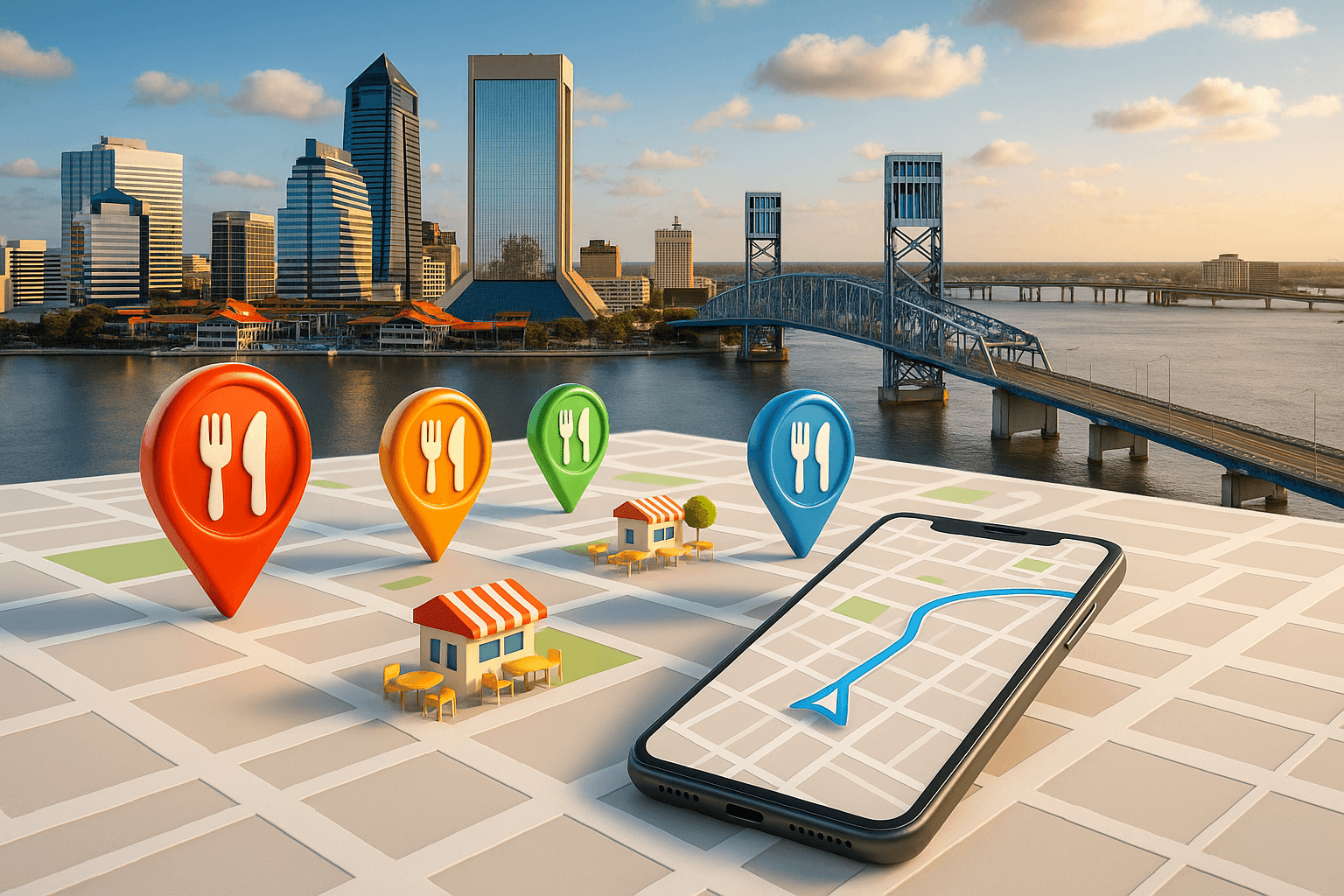
How Jacksonville Restaurants Can Double Foot Traffic with Geo-Targeted Ads
A restaurant on Hendricks Avenue in San Marco ran an experiment last spring. Same menu, same pricing, same staff. They just changed how they advertised. Within 60 days, lunch traffic doubled. Dinner reservations increased 40%. Here's what they did.
The Old Way Wasn't Working
Before the switch, they ran typical restaurant marketing. Instagram posts. Facebook ads targeting foodies citywide. A Google My Business listing. Monthly ad spend: $1,800. Result: slow growth and no way to track what actually brought customers through the door.
The National Restaurant Association reports that 90% of guests research a restaurant online before visiting. Local search visibility directly impacts foot traffic.
The WilDiMaps Solution
They switched to location-based mobile advertising with WilDiMaps' Neighborhood Reach targeting. The strategy: advertise only to people already near enough to visit. Three zones. Three different messages. Three different times of day.
Zone 1: The Lunch Radius
Weekdays, 10:30 AM to 1:30 PM, they targeted a one-mile radius around the restaurant. Office workers in San Marco Square, shoppers near Hendricks Village, people already in the neighborhood. With over 25,000 vehicles passing along Hendricks Avenue daily, the message emphasized speed and convenience: "On Hendricks? Lunch specials ready now. Dine-in or takeout."
Zone 2: Competitor Locations
They geo-fenced five competing restaurants within two miles during peak dinner hours, Thursday through Saturday. When someone showed up at a competitor, they saw the ad: "Already planning dinner out? Try something new, two blocks from here." No hard sell. Just a reminder that another option existed nearby.
Zone 3: Event-Based Targeting
San Marco hosts art walks, festivals, and community events throughout the year. They geo-fenced event locations with time-specific ads: "At the art walk? Stop by for dinner after, reservations available." These customers were already out, already in the neighborhood, already in a spending mindset.
How WilDiMaps Works
The restaurant used WilDiMaps' four-step process: First, they built their campaign using the geo-ad builder to target specific areas around Beach Blvd and San Marco. With over 45,000 vehicles passing along Beach Boulevard daily, this was a prime location. Second, drivers in those zones saw their banner ads in the WilDi app. Third, interested drivers saved the ads to their inbox for later review. Fourth, WilDiMaps confirmed when drivers were parked before counting the delivery, and the restaurant paid only for verified deliveries.
The Results
BIA Advisory Services reports that location-based mobile advertising delivers 20x higher click-through rates than standard display ads. This restaurant saw why. Every dollar reached someone who could actually visit. No waste on people too far away. No impressions to someone scrolling at home with no plans to go out.
The timing matched customer decision-making. Lunch ads ran during lunch hours when people were deciding where to eat. Dinner ads ran Thursday through Saturday when people plan restaurant visits. Event ads ran when people were already out and ready to spend.
ROI Comparison
Traditional billboard advertising costs $2,000-$5,000 monthly with no delivery verification. Facebook ads average $1.72 per click with no guarantee users can visit. WilDiMaps' cost-per-verified-delivery is a budget-friendly $0.20-$0.50, with confirmed proximity to the location. And remember, WilDiMaps offers an affordable monthly flat-rate subscription model with no hidden fees.
Statista reports that 83% of consumers use mobile devices to search for local businesses. WilDiMaps captures that intent at the exact moment people are nearby and mobile, not when they're browsing at home.
Your Next Step
Whether your restaurant is in Riverside, Five Points, Baymeadows, or Southside, location-based advertising can transform your customer acquisition. Stop paying for impressions to people who can't visit. Start reaching people already in your neighborhood, already mobile, already looking for places to eat.
As a veteran-owned, Jacksonville-based company, WilDiMaps understands Northeast Florida's commercial landscape. We built this platform for local businesses because we are local business owners.
Visit wildimaps.com or talk to a Campaign Specialist to see how WilDiMaps can double your foot traffic in the next 60 days.